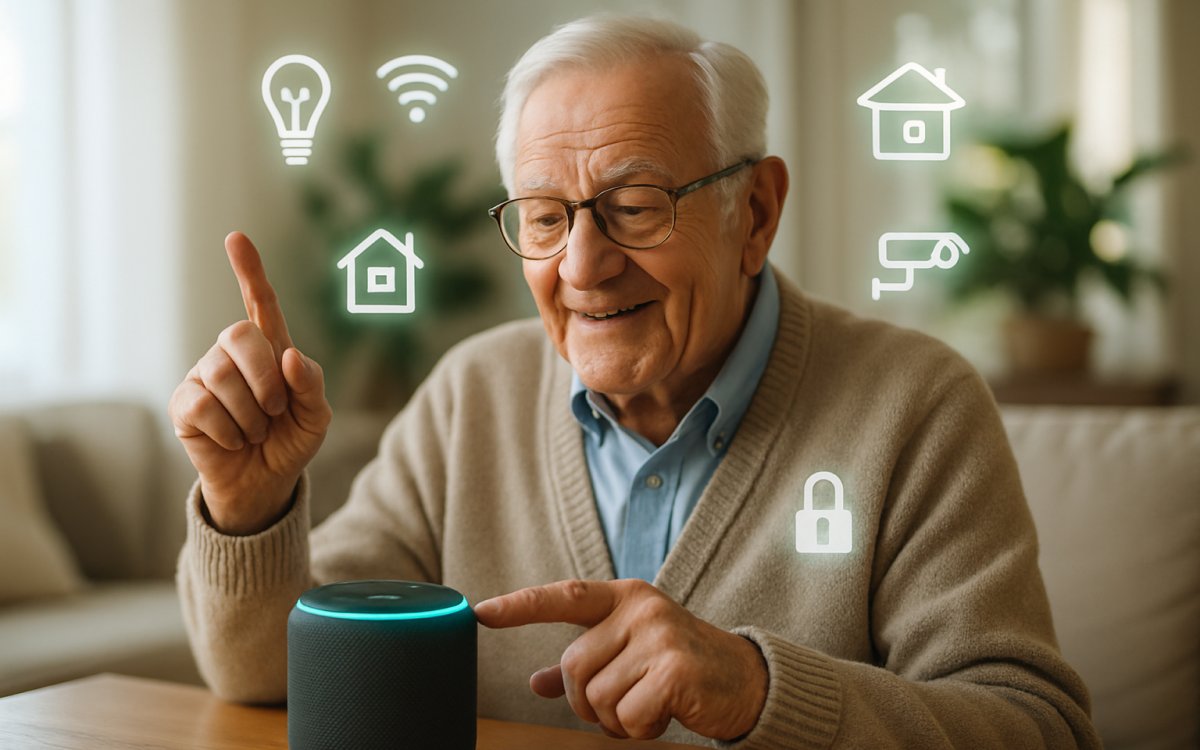
How smart home technology supports seniors every day
Homes are starting to feel a little smarter—and a lot more helpful. Smart home devices for seniors are quietly changing how everyday life flows, making simple tasks easier and adding an extra layer of safety without feeling overwhelming. Lights that respond, reminders that nudge at the right time, and systems that just “work” in the background—everything comes together to create a space that feels supportive, calm, and easy to live in.
What Smart Home Technology Really Means for Seniors
At its core, smart home senior setups are all about reducing effort and increasing comfort. Instead of adjusting everything manually, devices respond automatically or with a simple command. Think of it as a home that pays attention. The lights switch on when movement is detected. Doors lock without a second thought. Everyday routines become smoother, without adding complexity.
Why This Shift Feels Natural
Changes in mobility or energy levels can make small tasks feel bigger than they should. That’s where assistive technology directly benefit seniors—not by replacing routines, but by gently supporting them.
The Different Types of Elderly Tech Devices
Elderly tech devices usually fall into a few key categories, each solving a different everyday challenge.
Safety Gadgets
Safety gadgets seniors rely on are designed to keep things under control without constant monitoring.
- Motion sensors that notice unusual inactivity
- Smart doorbells that show who’s outside
- Fall detection systems that send alerts
- Emergency buttons for quick response
There’s a quiet comfort in knowing that something is always watching out.
Home Automation
Home automation solutions for the elderly help with repetitive tasks that can feel tiring over time.
- Lights that adjust automatically
- Voice-controlled systems for managing appliances
- Temperature controls that stay consistent
- Blinds that open and close on schedule
It’s less about technology and more about removing small daily hurdles.
Assistive Technology
One of the most interesting things about assistive technology seniors use today is how naturally it blends in. Instead of introducing completely new systems, many tools upgrade things that already exist:
- Smart plugs that control regular appliances
- Reminder displays that feel like digital clocks
- Wearables that connect seamlessly to the home
Nothing feels complicated or out of place.
Support That Stays in the Background
The real value shows up in subtle ways, like a reminder at the right moment, a light turning on automatically, or a quiet alert when something isn’t right. It’s supported without interruption.
When Everything Works Together
A smart home setup for seniors becomes even more powerful when devices connect and respond as a single unit. For example, a little movement during the night can activate a sequence:
- Lights turn on softly
- The path becomes clearly visible
- The temperature stays comfortable
- Doors remain secure
It all happens without a second thought, creating a home that feels responsive rather than static.
What to Look for in a Setup
Choosing elderly tech devices isn’t about adding more—it’s about choosing what actually makes life smoother. Look for:
- Simple, easy-to-use controls
- Reliable performance day after day
- Devices that work well together
- Minimal setup and maintenance
How Effortless Will It Eventually Be?
Home automation elderly systems are becoming more intuitive, with devices learning patterns and adjusting automatically. It’s no longer about smart devices, but about homes that feel naturally supportive. With the right mix of safety gadgets seniors appreciate and assistive technology seniors rely on, everyday living starts to flow more easily.